The engine rebuilding industry has changed dramatically over the past several decades. Labor costs continue to rise, skilled technicians are increasingly difficult to find, and customers expect shorter turnaround times than ever before.
At the same time, opportunities remain strong for machine shops that focus on efficiency, quality, and smart investments in equipment.
The most profitable engine rebuilding businesses aren’t necessarily the largest shops. They’re the shops that maximize throughput, minimize rework, and continuously improve their processes.
Here are several ways successful engine rebuilders are increasing profitability in today’s market.
1. Reduce Setup Time
Many machine shops focus heavily on cycle time but overlook setup time.
Every minute spent adjusting fixtures, making measurements, or changing machine configurations is time that isn’t generating revenue.
Top-performing shops standardize processes whenever possible and invest in equipment that reduces setup complexity.
Benefits include:
- More parts processed per shift
- Improved operator efficiency
- Faster turnaround times
- Increased machine utilization
Small improvements in setup time can add up to hundreds of additional productive hours each year.
2. Eliminate Rework
Rework is one of the largest hidden costs in engine rebuilding.
When a crankshaft, connecting rod, cylinder head, or flywheel must be re-machined, profitability suffers immediately.
Common causes include:
- Worn equipment
- Inconsistent processes
- Operator error
- Poor measuring practices
Successful shops focus on repeatability and process control to ensure parts are completed correctly the first time.
Every avoided rework cycle directly improves profitability.
3. Invest in Reliable Equipment
Many shops continue operating equipment that is decades old.
While older machines can often perform quality work, downtime, maintenance costs, and parts availability frequently become major concerns.
Reliable equipment provides:
- Improved uptime
- Better accuracy
- Reduced maintenance expenses
- Greater production consistency
When machines remain operational, the entire shop operates more efficiently.
4. Expand Service Offerings
The most profitable engine rebuilders strive to become complete service providers.
Rather than outsourcing critical operations, they bring additional capabilities in-house whenever possible.
Examples include:
- Crankshaft grinding
- Camshaft grinding
- Flywheel resurfacing
- Connecting rod reconditioning
- Cylinder boring
- Honing
- Pressure testing
- Crack detection
Each service performed internally creates additional revenue opportunities while reducing subcontracting costs.
5. Improve Shop Throughput
Profitability isn’t always about charging more.
Often, it’s about processing more work with the same labor force.
Shops that improve workflow frequently see significant gains by:
- Reducing bottlenecks
- Improving machine utilization
- Streamlining material handling
- Organizing work cells
- Reducing waiting time between operations
The goal is to keep parts moving efficiently from inspection through final assembly.
6. Focus on High-Margin Work
Not all jobs generate the same profit.
Many successful rebuilders focus their efforts on markets where quality and expertise command premium pricing.
Examples include:
- Diesel engine rebuilding
- Performance engines
- Racing applications
- Marine engines
- Industrial engines
- Power generation equipment
- Heavy equipment engines
These industries often value quality, reliability, and technical expertise over the lowest possible price.
7. Train the Next Generation
One of the biggest challenges facing the engine rebuilding industry is the shortage of skilled labor.
Shops that invest in training and knowledge transfer are positioning themselves for long-term success.
Benefits include:
- Reduced dependence on a single operator
- Improved consistency
- Faster onboarding
- Increased production flexibility
Knowledge is one of the most valuable assets any machine shop possesses.
8. Use Data to Drive Decisions
Successful shops track key performance indicators such as:
- Machine uptime
- Labor efficiency
- Production output
- Scrap rates
- Rework percentages
- Revenue per employee
By measuring performance, shop owners can identify opportunities for improvement and make informed investment decisions.
The Competitive Advantage of Modern Equipment
As customer expectations continue to increase, many engine rebuilders are evaluating how equipment impacts profitability.
Modern machine tools can help shops:
- Reduce downtime
- Improve accuracy
- Increase throughput
- Lower operating costs
- Improve customer satisfaction
For many businesses, equipment upgrades become a strategic investment rather than simply a replacement purchase.
Building a More Profitable Future
The engine rebuilding industry remains an essential part of the global economy. From diesel trucks and industrial engines to racing and power generation applications, rebuilt engines continue to deliver tremendous value.
The most profitable shops focus on efficiency, quality, reliability, and continuous improvement.
By reducing downtime, eliminating rework, expanding capabilities, and investing in the right equipment, engine rebuilders can position themselves for long-term growth and profitability.
Looking to Improve Productivity in Your Machine Shop?
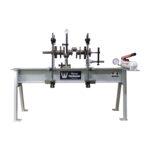
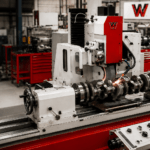
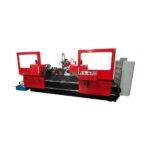
Winona Van Norman manufactures American-made engine rebuilding equipment including crankshaft grinders, camshaft grinders, flywheel grinders, rod hones, and other precision machine tools designed to help rebuilders increase productivity and profitability.
Melissa Palmer, Sales Manager