
CPX-140-A Automated Crankshaft Polisher
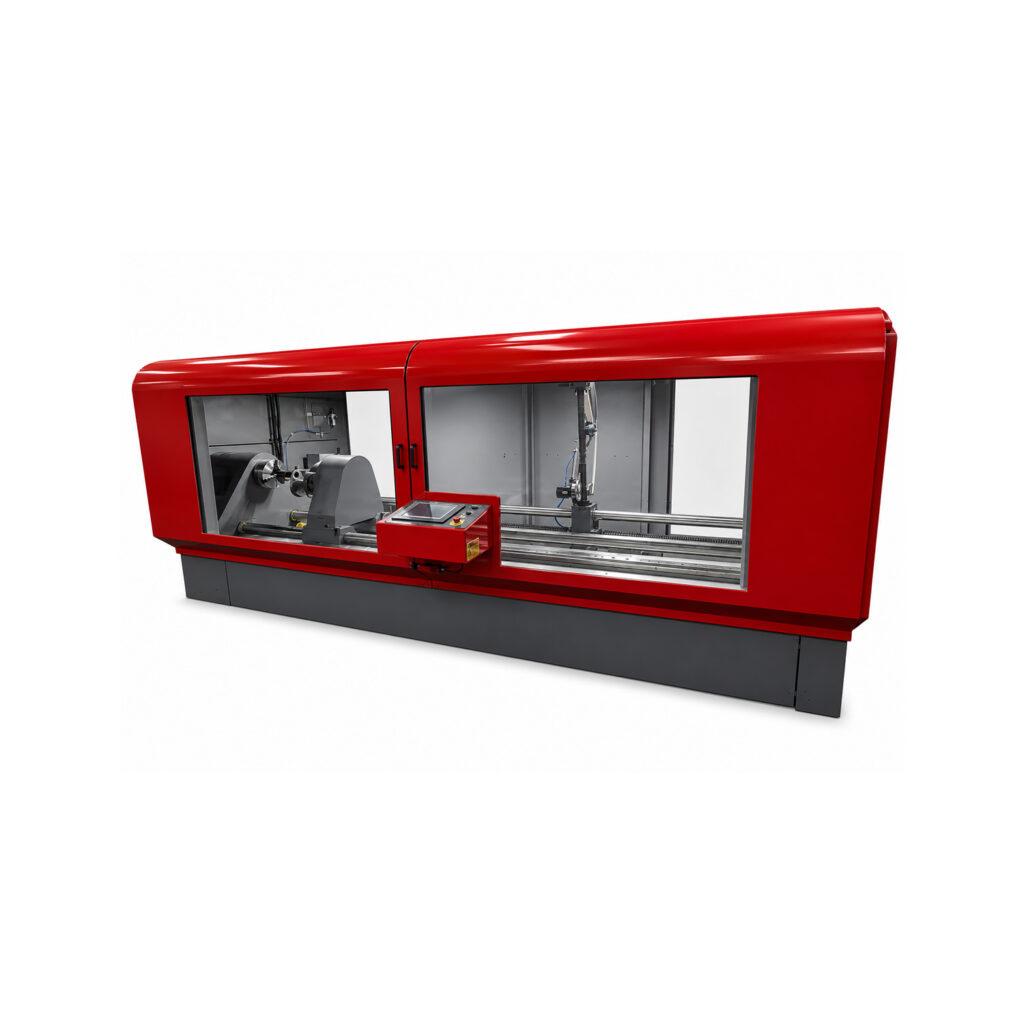
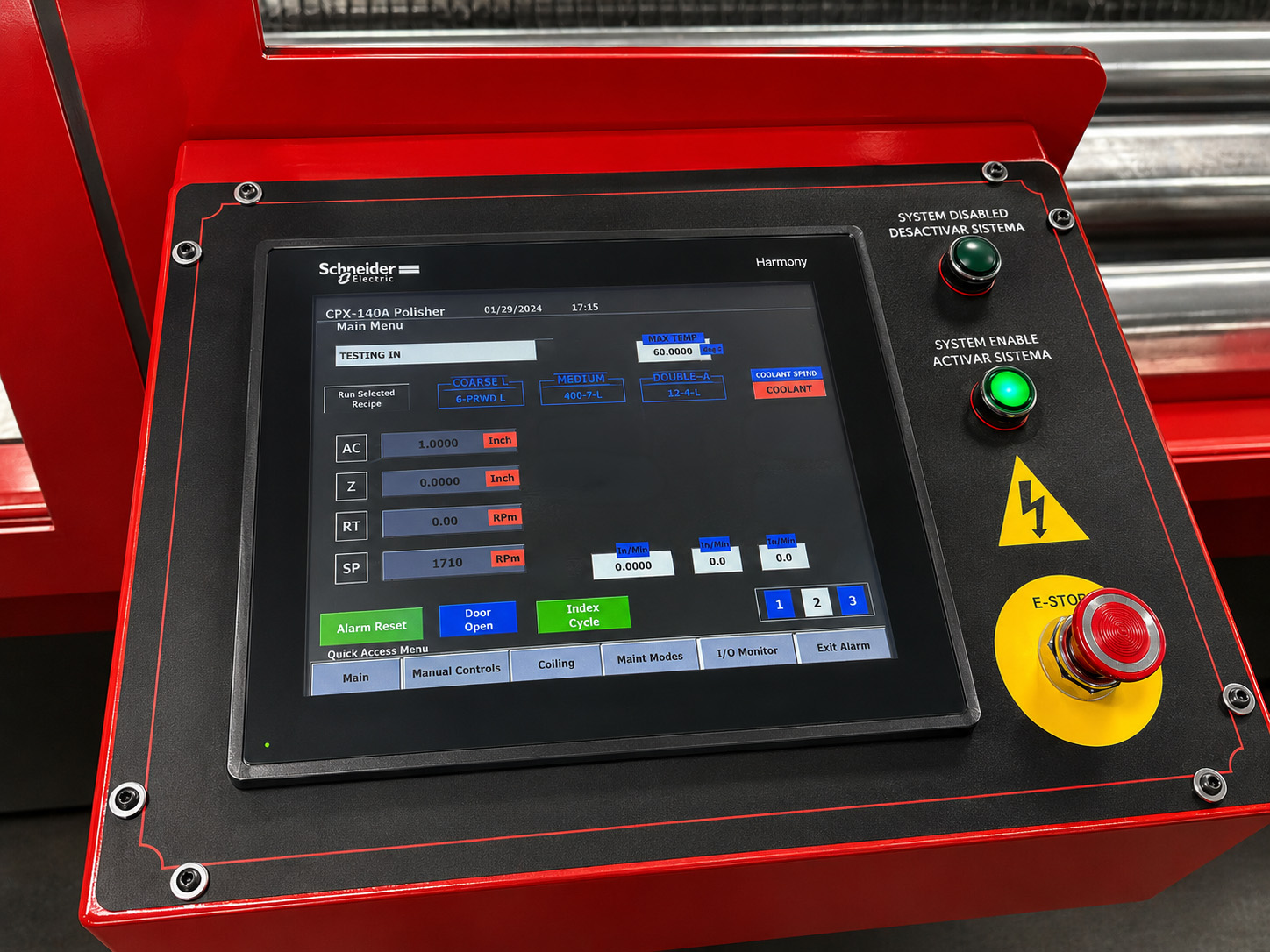
The Winona Van Norman CPX-140-A Automated Crankshaft Polisher is engineered to deliver fast, precise, and fully automated polishing of crankshaft journals for professional engine rebuilding and remanufacturing operations. Designed to produce consistent, repeatable results, the CPX-140-A removes minor surface imperfections while creating a premium journal finish that promotes proper bearing performance and long engine life. Its automated operation minimizes operator involvement, making it an ideal solution for automotive, diesel, performance, marine, and industrial engine applications.
Featuring an advanced automated polishing system, the CPX-140-A provides uniform material removal across every journal, reducing the potential for operator error while ensuring exceptional consistency from one crankshaft to the next. The controlled polishing process produces smooth, precision finishes that improve oil retention, reduce friction, and help maximize bearing life and overall engine reliability. Its heavy-duty, rigid machine construction minimizes vibration and maintains accurate alignment throughout continuous production, ensuring dependable polishing performance day after day.
Designed to maximize productivity while maintaining the highest standards of quality, the Winona Van Norman CPX-140-A Automated Crankshaft Polisher combines intelligent automation, rugged construction, and precision engineering to streamline finishing operations and reduce cycle times. By delivering consistently smooth journal finishes with minimal labor, the CPX-140-A helps professional machine shops improve throughput, enhance engine performance, and achieve the repeatable results customers expect.
Request A Quote
Product Information
Operations
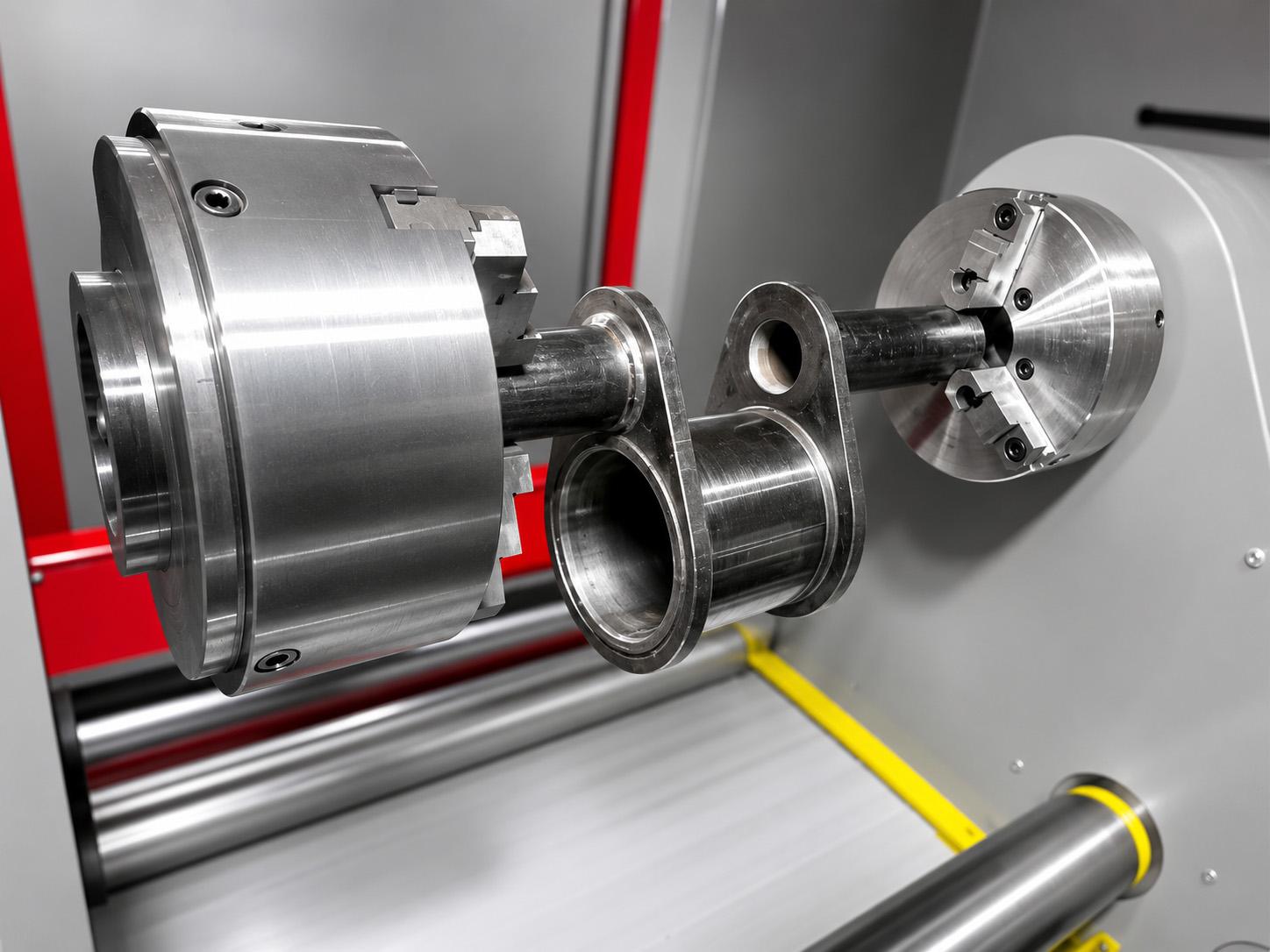
Winona Van Norman’s Automated Crankshaft Polisher (such as the CPX series) is designed to streamline and standardize the crankshaft finishing process through a fully controlled, repeatable cycle. The operation begins with the crankshaft being securely mounted between the headstock and tailstock, where it is carefully aligned to ensure accurate rotation and consistent positioning. Once secured, the operator uses the PLC-based control system to input the desired polishing parameters, such as journal specifications, cycle settings, and pressure or feed rates.
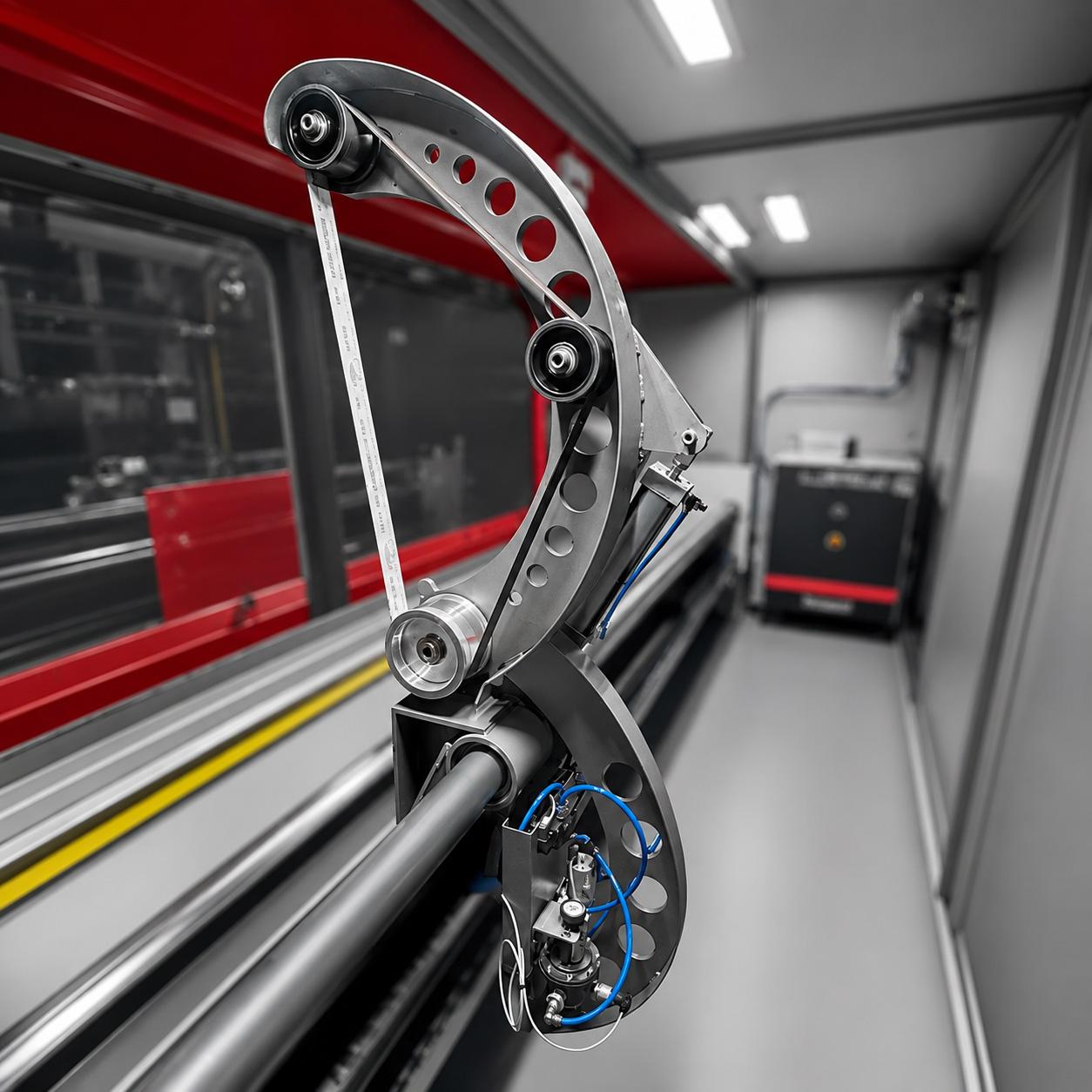
After setup, the machine automatically indexes the crankshaft so each journal is positioned correctly under the polishing head. The system then engages the polishing unit, where controlled pressure is applied while the crankshaft rotates. This simultaneous motion allows the abrasive system to evenly refine the journal surface, removing minor imperfections left from previous machining processes and producing a smooth, uniform finish.
Throughout the cycle, the automated controls maintain consistent speed, pressure, and alignment to ensure repeatable results across all journals. Once one journal is completed, the system retracts the polishing head and indexes to the next position, repeating the process until all journals are finished. When the cycle is complete, the machine stops, the tooling retracts, and the finished crankshaft is ready for inspection or removal, delivering a high-quality surface finish with minimal operator variation.